Get Taller Look: Mobility and Posture for Athletes
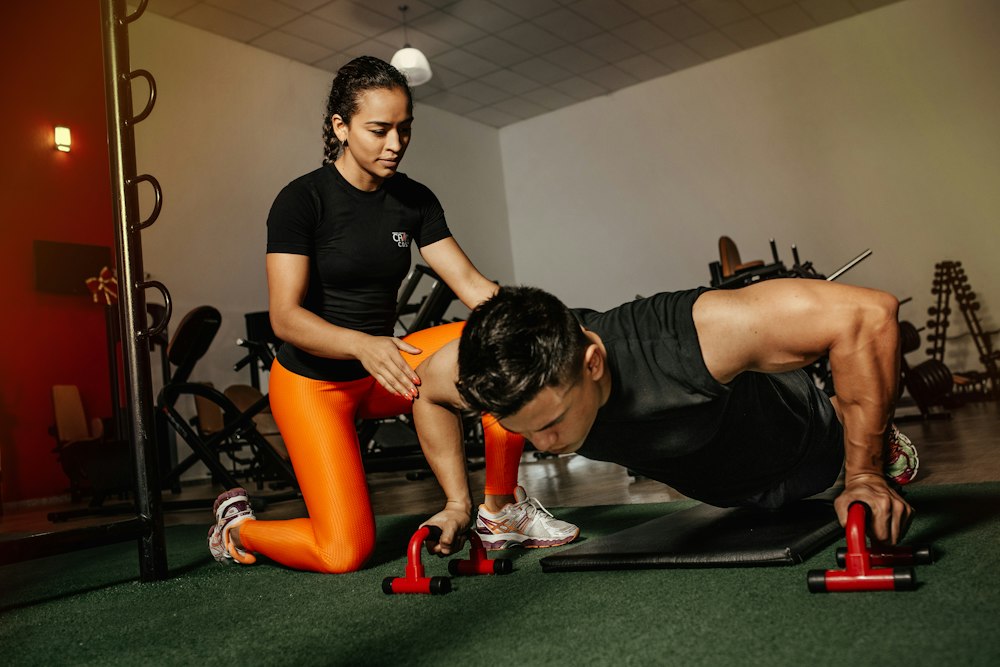
Athletes hunting a “get taller” edge often overlook mobility and posture—the free tools that help you use the stature you already have while training hard.
Why posture shows up on camera
Slouched shoulders and forward head posture shrink perceived height. Wall stands, backpack fit, and screen height fixes reclaim that presentation without pretending to lengthen fused bone. For still-growing athletes, these habits also reduce the “always tired upper back” feeling after school sitting plus practice.
Mobility blocks that fit real schedules
Five to eight minutes after warm-up or homework: hip flexor stretch, calf and ankle rocks, thoracic extensions on a foam roller or chair, and gentle hamstring work without forcing. Consistency beats occasional deep yoga binges that leave you sore before game day.
Pair mobility with strength through full ranges so new motion sticks under fatigue.
Integrate, do not isolate
Make posture cues part of film review and weight-room setups. Teammates can call out “chest up” more effectively than parents nagging in the kitchen. If you add a supplement for open-plate nutrition support, keep it separate from mobility myths—tablets do not replace hinge mechanics.
Stay honest in content aimed at how to get taller: posture enhancements are real for appearance and comfort; bone length still follows genetics and plate status. Results from any product vary.
Film-room cues that stick
Pick one posture cue for two weeks—“ribs down” or “tall through the crown”—and apply it to free throws, stances, or starts. Too many cues create noise. Athletes remember what shows up on film with a coach’s circle.
Mobility homework should fit in a phone timer: six minutes, same playlist. When the timer owns the block, arguments shrink.
Keep get-taller marketing out of the weight room; keep mechanics in. Confidence rises when presentation matches effort. Supplement talk belongs in nutrition meetings, not as a substitute for thoracic mobility. Results vary.
Equipment and backpack realities
Ill-fitting shoes and one-strap bags fight posture work. Replace worn shoes on a schedule tied to mileage, not only brand hype. Use both straps or a team backpack designed for load.
Locker organization that avoids floor dump hunches saves spines between classes. Small environmental height-presentation wins add up.
Coaches can enforce bag rules more effectively than lectures at home. Align adults. Results vary for products; gear fixes are immediate.
Independent guide · Results vary · Not medical advice
Keep reading
Training Checklist · Peak Height for Athletes
Athletes and parents who care about banned-substance testing often review Peak Height: doctor-developed by a board-certified U.S. MD, BSCG® certified, no HGH, steroids, or stimulants. Suggested use is three tablets once daily with food during the ~11–22 window. Amounts are designed below NIH upper limits; unused bottles may qualify for a one-year refund minus 15%. Results vary—not a performance guarantee.
Visit Peak Height →